
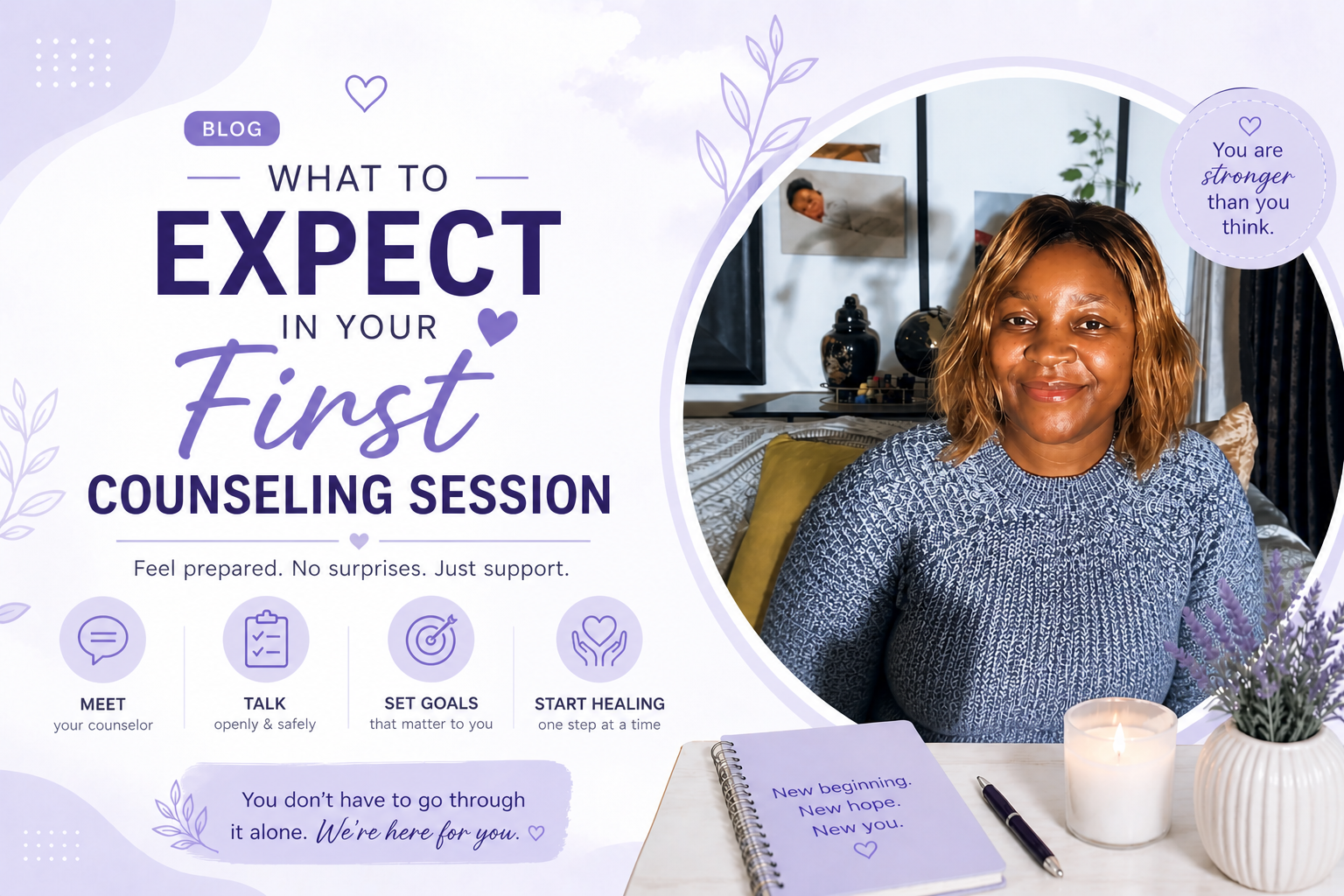
Starting counselling takes real courage, and it’s completely normal to feel a bit uneasy before that first session. Many people worry about saying the “right” thing, or feel pressure to have their whole story figured out. The truth is, you don’t need to prepare a script or rehearse your answers. Your only job is to show up.
What Actually Happens Inside That Room
Most counsellors will begin by introducing themselves, establishing some basic boundaries for your work together, and sharing a little bit about how they practise. You can expect to be asked gentle questions about why you’re seeking support now, what you’ve been experiencing, and maybe a few details about your daily routines, relationships, and significant life events. This isn’t a test or an interrogation; it’s simply a structured conversation designed to help your therapist better understand your needs.
Building a Real Relationship
The first few sessions usually focus less on “fixing” things and more on getting to know you, building trust, and laying the groundwork for the deeper work ahead. You don’t need to spill your deepest pain in session one. Therapy is a relationship, and like any relationship, trust unfolds gradually. It’s also important to use the first meeting to gauge your own comfort with the therapist’s style. Ask questions about how they work, what approach they use, and what you can realistically expect in the coming weeks. Counselling is most effective when there’s a good interpersonal fit.
One Quick Note on Tools
Some therapists may ask simple questions to explore thought patterns, and they might even introduce small grounding or breathing techniques if you’re feeling very anxious. These are not “homework” or tests. They are simply small steps that can help you regulate, reconnect, and come back to yourself. Remember, it is absolutely fine to be anxious, to feel awkward, or to not have clear goals yet. You do not need to perform. Showing up is the victory.